Introduction about the Author
Hi, myself Satwik M Kotian, an Electrical and Electronics Engineering student (EEE). Who is passonate more about Embedded software, IOT and Software Development things rather then Electrical. This article is part of my journey for becomming an Embedded software engineer. So today we will talk about the Roadmap required to walk in the path of Embedded software engineer roles. As we all know how semiconductor industries is growing rapidly these days. And I hope this article help fellow students and the begineer who are willing to go for this field.
What is Embedded Software Engineer is?
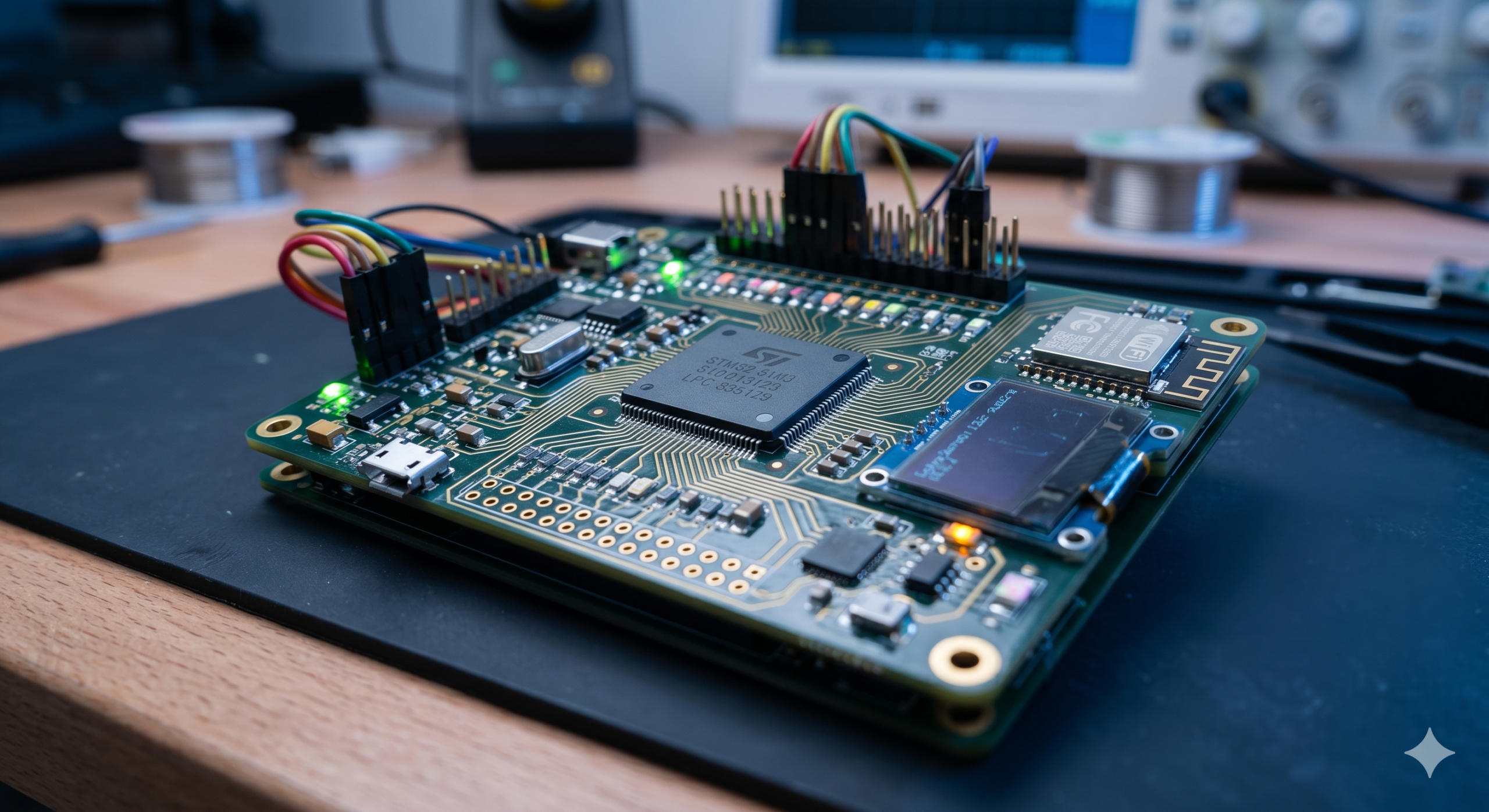
An Embedded Software Engineer are the engineer, who work closer to both Hardware and Software. They develop Software which gives life to Hardware. In embedded Software engineer roles you have to deal with Limited Memories, Low power, Microprocessors and Microcontrollers.
In Future if you are working as a Embedded Software Engineer role then you will work on these things everyday:
- Writing Low level Language or programs. Which are more Efficient and Robust (C and C ++).
- Working and configuring the hardware Peripherals in Microcontroller and Microprocessors (UART, SPI, Timers etc).
- Creating a interface between Hardware and Software.
- Degubbing Hardware and Software.
- Working with RTOS (Real Time Operating System). Or Embedded Linux, which is also know as Kernel Linux.
- Making sure that software is working properly during Critical times.
Can EEE or Other Branches can go for Embedded Software Engineer roles?
Yes, Definitely you can. Being an EEE Student, I gotta know that my Interest is in Embedded Software Engineer in 7th sem ( I know that is bit late😂).
And being a EEE engineer student. You guys will already be having a good foundations of Electronic Circuits, Networking Theory, Digital Electronics and Knowledge about Microcontrollers. So leaving these things, You just have to focus on Strengthing your other skilles like. Programming Languages(C, C++ is must and Rust if only interested), Knowledge about Assemble Languages (ADD, MOVE, SUB, JUMP etc), Learn and must have knowledge about Communication Protocals (UART, SPI, Timers) etc.
📍Roadmap for Embedded Software Engineer Roles:
- Foundations and Fundaments Requirement:
- Learn C programming, Then deep dive into C Languages Program Solvings things. In C Languages Concentrate more on (Pointers, Memory, Bit – Wise Operations, Stack, Queue, Structures and Linked Lists etc).
- Then try to Understand the Concept and syntax of C and C++ (Concepts on OOP).
- Should compulsory have knowledge about Digital and Analog Electronics Basics things and also about Microcontroller Basics.
2. Learn the Concept of Hardware:
- Study Microcontrollers like ARM-CORTEX M, they got their own specifications like ARM CORTEX M- 101, STM, PIC, AVR etc) Try to learn about their Computer Architecture and how they work.
- Should have the ability to read the Data Sheets of Different kind of Microcontrollers.
- Be good at Communuication Protocals like (SPI, I2C, Timers, UART, etc).
- Learn how CPU works, like about Computer Architecture, Memory management, Buses and also about Program Counter and Stack Counter.
3. Programming Skilles required for Embedded Software Roles:
- As I already said C is Compulsory. So go deep inside C Programming Language. As everyone know, its a low level Language.
- Once you are good at C programming then switch to C++ to learn about OOP (Object Oriented Programming).
- Then Try to have Intermediate knowledge about Assemble Level Language (ADD, MOVE, MUL, JUMP etc). Try to know whats the purpose of that specific Keywords.
- Have to learn Bare Metal Programming. Bare metal programming is something where you will program the CPU or any Microcontroller without the use of OS (Operating System).
- Learn RTOS (Real Time Operating System), Which is very usefull. when using a critical level applications.
- Be good at Memory Management levels (RAM, Stack, Heap).
4. Required Tools:
- IDEs- Keil, STM32CUBE.IDE, MPLAB.X
- Debugging tools like: SWD, JTAG, GDB etc.
- Version Control: GIT.
- Build Systems: Makefiles, CMake.
5. Explore Advanced Concepts in Embedded Software Engineer:
- Kernel Linux Operating Systems.
- Deep dive into RTOS (Real Time Operating Systems). Explore concepts like Mutxes, Semaphores, Task Scheduling etc.
- Go for Networking only if you are interested in Netoworking domain (TCP/IP, MQTT, HTTP).
Conclusions:
Being a Embedded Software Engineer you need to be good at both Hardware and Software. Because you are the one who is going to give life for Hardware using Software. This industry is Vast, it might looks like it’s small but No. Its too big, And it’s still growing. It offers a lot of Careers in Different Roles like Networking job roles , Firmware Developers, Embedded Software Engineer roles, Embedded Hardware Engineer roles, System Architechture Dev, Automotive Engineer etc.
Thank you are reading this Article. If you felt good, you can drop a Comment below down here. And can mail to my gmail id, Which is given below regarding any doubt. Meet you in next Article.